F
Toggle theme
Narrow Mode
Research roundup: 7 cool science stories we almost missed
A Ars Technica @Jennifer Ouellette
One Sentence Summary
A monthly science roundup from Ars Technica highlighting diverse research topics, including a study on raccoon puzzle-solving behavior and 'information foraging.'
Summary
This article provides a curated monthly summary of notable scientific stories that might otherwise be overlooked. It highlights diverse topics, including the physics of folding crepes, the rediscovery of Archimedes manuscripts, and the 2026 'Dance Your PhD' winner. The piece delves into a specific study from the University of British Columbia regarding raccoon cognition, where researchers observed that raccoons engage in 'information foraging'—a flexible problem-solving behavior where they balance curiosity and effort when interacting with complex puzzle boxes.
Main Points
* 1. Raccoons exhibit 'information foraging' behavior when solving puzzles.Researchers found that raccoons do not just solve puzzles for food; they continue to explore mechanisms even after obtaining rewards, demonstrating a balance between curiosity and effort. * 2. Curated science roundups provide a digest of overlooked research.Monthly summaries help surface interesting scientific developments that might otherwise be missed in the daily news cycle, providing a broader view of current research.
Metadata
AI Score
78
Website arstechnica.com
Published At Yesterday
Length 310 words (about 2 min)
Sign in to use highlight and note-taking features for a better reading experience. Sign in now
[](https://www.bestblogs.dev/article/17a71e7b)
It’s a regrettable reality that there is never enough time to cover all the interesting scientific stories we come across. So every month, we highlight a handful of the best stories that nearly slipped through the cracks. March’s list includes puzzle-solving raccoons; the physics of folding a crepe; the rediscovery of a lost page from an Archimedes manuscript; and the 2026 winner of the annual Dance Your PhD contest, among other highlights.
Puzzle-solving raccoons
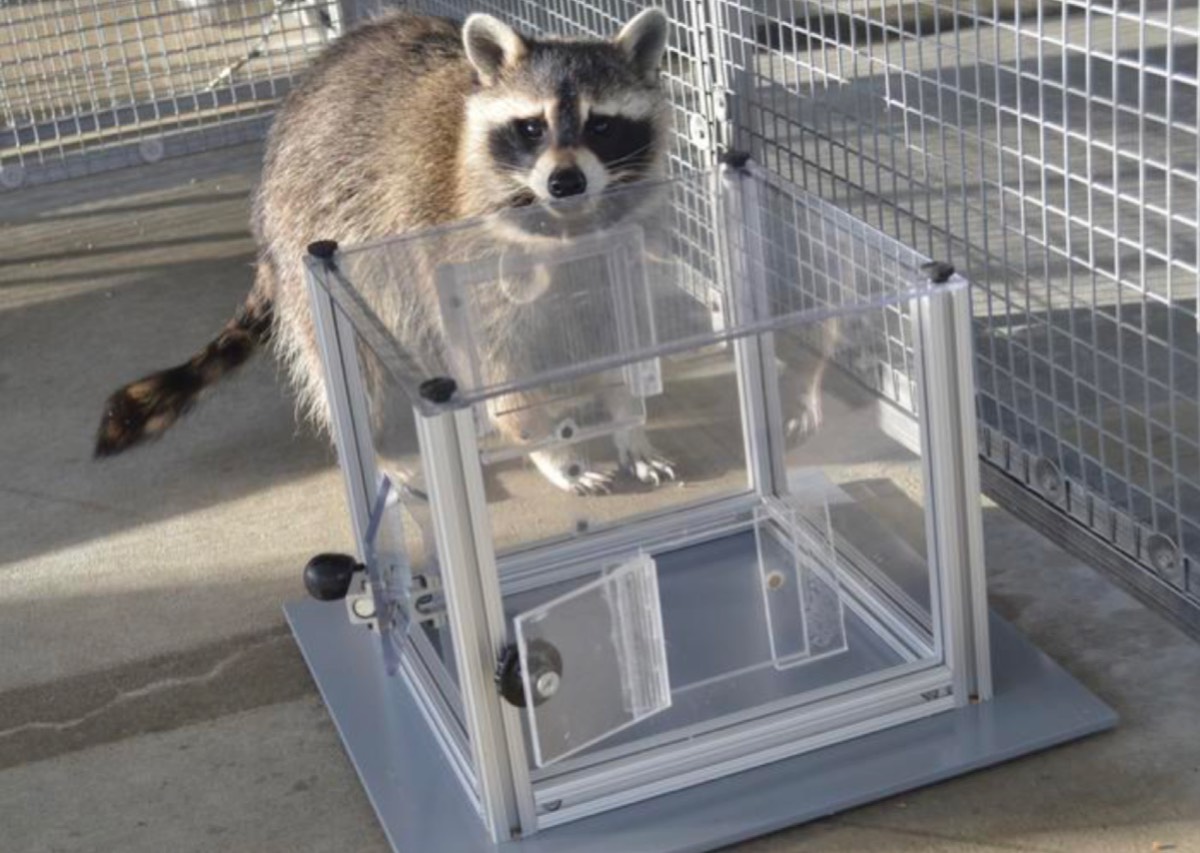Credit: Hannah Griebling/CC BY
Raccoons (aka “trash pandas”) are notorious pests in urban and suburban settings because of their penchant for rooting around trash and compost bins; even latches and other safeguards can’t entirely keep them at bay. It might be more than food searching behavior, scientists at the University of British Columbia concluded. According to their paper published in the journal Animal Behavior, raccoons are not only nimble and dextrous with their paws, they also excel at solving puzzles, which might be why they thrive so well in human-centric environments.
The team tested captive raccoons by placing a tasty marshmallow in a transparent puzzle box, outfitted with latches, sliding doors, and knobs. There were nine separate ways to retrieve the marshmallow, some easy, some medium difficulty, and some hard. Each raccoon engaged in several 20-minute trials so the team could observe their behavior.
Even after retrieving the marshmallow and eating it, the raccoons still kept trying to open the other mechanisms. They were more likely to explore multiple openings when the solution was easy and tended to stick with known easier solutions when the puzzle was hard. But even at the most difficult level, they still kept exploring. The authors interpreted this as a form of flexible problem-solving, with the raccoons balancing their curiosity and effort against potential risks. The team concluded that this behavior is better described as “information foraging.”
A Ars Technica @Jennifer Ouellette
One Sentence Summary
A monthly science roundup from Ars Technica highlighting diverse research topics, including a study on raccoon puzzle-solving behavior and 'information foraging.'
Summary
This article provides a curated monthly summary of notable scientific stories that might otherwise be overlooked. It highlights diverse topics, including the physics of folding crepes, the rediscovery of Archimedes manuscripts, and the 2026 'Dance Your PhD' winner. The piece delves into a specific study from the University of British Columbia regarding raccoon cognition, where researchers observed that raccoons engage in 'information foraging'—a flexible problem-solving behavior where they balance curiosity and effort when interacting with complex puzzle boxes.
Main Points
* 1. Raccoons exhibit 'information foraging' behavior when solving puzzles.
Researchers found that raccoons do not just solve puzzles for food; they continue to explore mechanisms even after obtaining rewards, demonstrating a balance between curiosity and effort.
* 2. Curated science roundups provide a digest of overlooked research.
Monthly summaries help surface interesting scientific developments that might otherwise be missed in the daily news cycle, providing a broader view of current research.
Key Quotes
* The team concluded that this behavior is better described as 'information foraging.' * It's a regrettable reality that there is never enough time to cover all the interesting scientific stories we come across. * They were more likely to explore multiple openings when the solution was easy and tended to stick with known easier solutions when the puzzle was hard.
AI Score
78
Website arstechnica.com
Published At Yesterday
Length 310 words (about 2 min)
Tags
Science News
Animal Behavior
Research Roundup
Ars Technica
Cognitive Science
Related Articles
* Supreme Court rejects Sony's attempt to kick music pirates off the Internet are not liable for user copyright infringement unless they actively induce such activity or tailor their services to facilitate it, effectively protecting ISPs from mass-termination mandates.") * Learn to Learn in 58 Minutes * The collapse of modern attention (and how to get it back) - Cal Newport * How to Learn FASTER using ChatGPT (without damaging your brain) HomeArticlesPodcastsVideosTweets Toggle navigation menu Toggle navigation menuArticlesPodcastsVideosTweetsSourcesNewsletters
⌘K
Change language Switch ThemeSign In